
Description
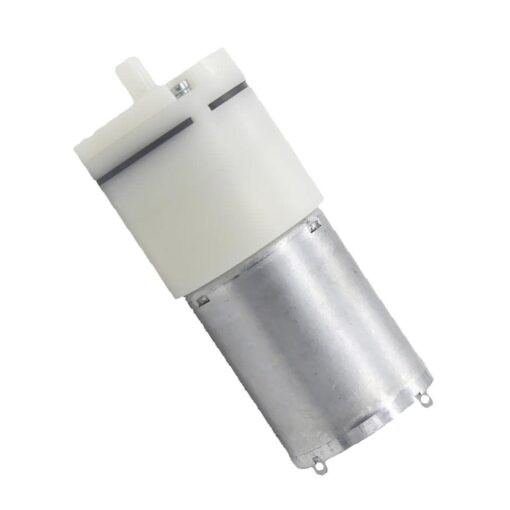
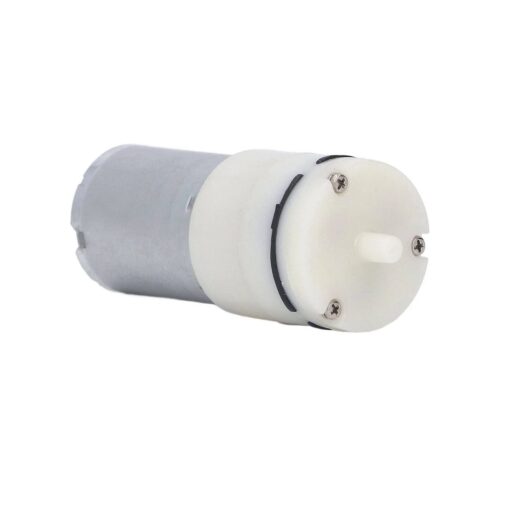
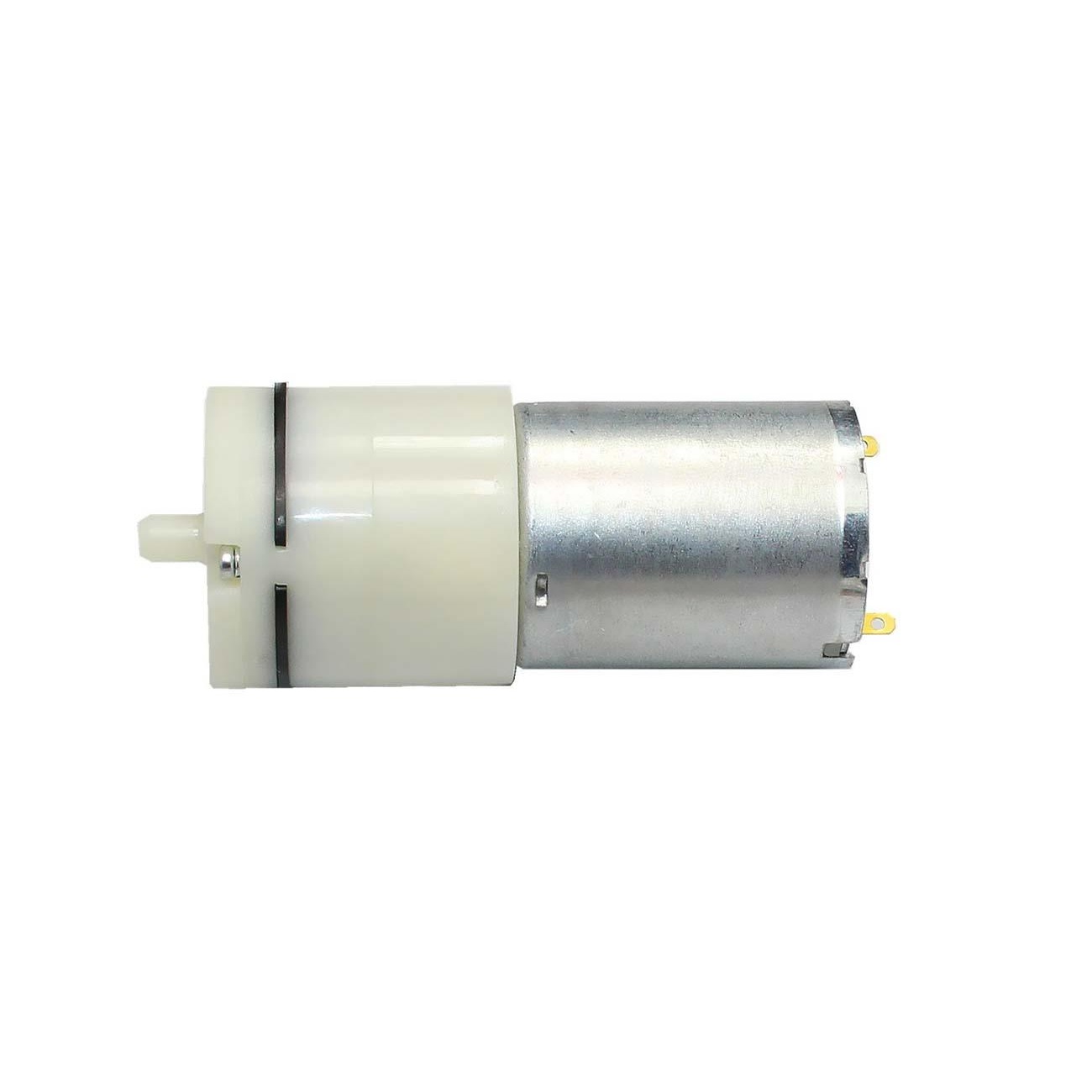
DC AIR PUMP 6-9V
High-performance DC air pump designed for efficient air delivery in aquariums, hydroponics, aeration systems, and various pneumatic applications. Operating on 6-9V DC power, this versatile air pump provides reliable, continuous airflow with low noise and minimal vibration. Perfect for battery-powered applications, portable aeration systems, and DIY projects requiring compressed air.
KEY FEATURES
Wide Voltage Range – Operates efficiently on 6V, 7.4V (2S LiPo), or 9V DC power
High Air Output – Delivers consistent airflow for effective aeration
Low Noise Operation – Quiet diaphragm design suitable for indoor environments
Compact & Lightweight – Portable design ideal for mobile and battery-powered applications
Energy Efficient – Low power consumption for extended battery operation
Continuous Duty – Designed for 24/7 operation in aquarium and hydroponic systems
Dual Outlet Ports – Some models feature two independent air outlets
Oil-Free Design – Clean air output safe for aquatic life and food applications
Vibration Dampening – Rubber feet reduce noise and vibration transmission
Easy Installation – Simple plug-and-play operation with standard air tubing
TECHNICAL SPECIFICATIONS
Motor Specifications:
Motor Type: Electromagnetic diaphragm pump
Operating Voltage: 6V – 9V DC
Rated Voltage: 7.4V (optimal performance)
Current Draw: 0.3A – 0.6A (no load), 0.5A – 1.2A (typical operation)
Power Consumption: 3W – 8W (depending on voltage and back pressure)
Operating Frequency: 50Hz – 60Hz
Motor Life: 10,000+ hours continuous operation
Pump Performance:
Maximum Air Flow: 2 – 4 liters per minute (L/min)
Maximum Pressure: 0.012 – 0.025 MPa (1.7 – 3.6 PSI)
Number of Outlets: 1 or 2 (depending on model)
Outlet Diameter: 4mm – 6mm barbed connector
Noise Level: 35 – 45 dB (at 1 meter distance)
Operating Temperature: 0°C to 40°C
Ambient Humidity: ≤85% RH (non-condensing)
Diaphragm Material: Rubber or silicone
Housing Material: ABS plastic
Duty Cycle: Continuous operation (100%)
Physical Dimensions:
Length: 60-80mm (approximately)
Width: 40-60mm (approximately)
Height: 30-50mm (approximately)
Weight: 80-150 grams (depending on model)
Mounting: Rubber feet or bracket mounting
VOLTAGE VS PERFORMANCE
At 6V:
Air Flow: 2 – 2.5 L/min
Pressure: 0.012 – 0.015 MPa
Current Draw: 0.4 – 0.7A
Quietest operation, lowest power consumption
At 7.4V (2S LiPo):
Air Flow: 3 – 3.5 L/min
Pressure: 0.018 – 0.020 MPa
Current Draw: 0.6 – 1A
Optimal balance of performance and efficiency
At 9V:
Air Flow: 3.5 – 4 L/min
Pressure: 0.020 – 0.025 MPa
Current Draw: 0.8 – 1.2A
Maximum performance, higher noise level
APPLICATIONS
Aquarium Aeration – Oxygenation for fish tanks and aquatic life
Hydroponics Systems – Root zone oxygenation for plant growth
Aquaponics – Combined fish and plant cultivation systems
Live Bait Transport – Portable aeration for fishing and bait storage
Pond Aeration – Small pond oxygenation and circulation
DIY Projects – Pneumatic control systems, air-powered devices
Medical Devices – Low-pressure air delivery (non-critical applications)
Food Processing – Aeration and agitation in fermentation
Laboratory Use – Controlled air delivery for experiments
Inflation Systems – Inflating small balloons, air mattresses, pool toys
WIRING AND CONNECTIONS
Power Connections:
Red Wire: Positive (+) 6-9V DC
Black Wire: Negative (-) Ground/GND
Wire Gauge: 20-22 AWG typically pre-attached
Wire Length: 30-50cm standard (extension possible)
Recommended Power Sources:
6V: 4x AA batteries, 6V DC adapter, 5V USB with voltage booster
7.4V: 2S LiPo battery, 7.4V DC adapter
9V: 6x AA batteries, 9V battery, 9V DC adapter
Solar: 6V-9V solar panel with charge controller
Protection Recommended:
Reverse polarity protection diode (1N4007 or similar)
Inline fuse (1.5A – 2A rating)
Capacitor across motor terminals (100µF – 220µF for noise reduction)
INSTALLATION GUIDE
Choose Location – Place pump above water level to prevent backflow
Mount Securely – Use rubber feet or mounting bracket on stable surface
Connect Air Tubing – Attach 4mm or 6mm silicone/PVC air tubing to outlet
Install Check Valve – Place check valve between pump and water (prevents backflow)
Add Air Stone/Diffuser – Attach air stone at end of tubing for fine bubbles
Wire Power Supply – Connect red to positive, black to negative (observe polarity)
Test Operation – Power on and verify steady airflow
Adjust Flow Rate – Use air flow control valve if needed for regulation
AIR TUBING COMPATIBILITY
Recommended Tubing Size: 4mm or 6mm inner diameter
Tubing Material: Silicone (premium) or PVC (standard)
Maximum Tubing Length: 1-2 meters for optimal performance
Connection Type: Push-fit onto barbed outlet connector
Multiple Outlets: Use T-connector to split airflow if needed
ACCESSORIES AND COMPONENTS
Essential Accessories:
Air Tubing – 4mm or 6mm silicone/PVC tubing
Check Valve – Prevents water backflow into pump
Air Stones – Ceramic or porous stone diffusers for fine bubbles
T-Connectors – Split airflow to multiple air stones
Optional Accessories:
Air Flow Control Valve – Adjust air output volume
Inline Filter – Prevents dust and debris from entering pump
Pressure Gauge – Monitor air pressure output
Air Manifold – Distribute air to multiple outlets with individual controls
Suction Cups – Secure air tubing inside aquarium
CONTROL OPTIONS
Basic On/Off Control:
Toggle switch for manual operation
Timer switch for automated scheduling
Relay module for remote control
Advanced Control:
PWM speed controller for variable airflow
Microcontroller integration (Arduino, ESP32)
Smart plug for WiFi/app-based control
Sensor-triggered operation (temperature, DO level)
Battery backup system for power outage protection
SINGLE VS DUAL OUTLET MODELS
Single Outlet:
Higher pressure for single air stone
Better for deep aquariums (up to 1 meter depth)
Simpler design, more reliable
Lower cost
Dual Outlet:
Simultaneous aeration at two points
Can run two separate air stones
More versatile for multiple tanks
May have slightly lower pressure per outlet
MAINTENANCE TIPS
Regular Inspection – Check air output and noise level monthly
Clean Air Intake – Remove dust from intake filter every 2-3 months
Replace Diaphragm – Replace rubber diaphragm every 12-24 months
Check Tubing – Inspect for cracks, kinks, or blockages
Clean Air Stones – Soak air stones in vinegar to remove buildup
Verify Check Valve – Ensure check valve opens and closes properly
Lubrication – Some models require periodic diaphragm lubrication (check manual)
Storage – Store in dry environment when not in use
TROUBLESHOOTING
No Air Output:
Check power supply and connections
Verify pump is receiving correct voltage
Inspect diaphragm for damage or wear
Check for blocked air tubing or air stone
Test check valve orientation (arrow points away from pump)
Weak Air Flow:
Clean or replace clogged air stone
Shorten air tubing length
Increase operating voltage within 6-9V range
Check for air leaks in connections
Replace worn diaphragm
Excessive Noise:
Ensure pump is on stable, vibration-dampening surface
Check for loose components inside housing
Verify tubing is not vibrating against surfaces
Reduce operating voltage slightly
Replace worn diaphragm or internal components
Intermittent Operation:
Check for loose wire connections
Inspect power supply for stability
Look for overheating (allow cooling time)
Check for internal electrical issues
Check Valve Clogging:
Remove and clean check valve
Replace if ball/flap is stuck
Install upstream of air stone to reduce debris
PERFORMANCE OPTIMIZATION
Mount pump above water level to prevent water backflow
Use shortest practical tubing length for maximum pressure
Install check valve close to pump outlet
Use quality silicone tubing to prevent air leaks
Clean air stones regularly to maintain flow
Operate at optimal voltage (7.4V) for best efficiency
Use air flow control valve for fine-tuning output
Ensure adequate ventilation around pump for cooling
BATTERY OPERATION GUIDE
Power Consumption Estimates:
At 6V, 0.5A: 3W power draw
At 7.4V, 0.8A: 6W power draw
At 9V, 1A: 9W power draw
Battery Runtime Examples:
4x AA (2500mAh at 6V): 4-6 hours continuous
2S LiPo 2200mAh (7.4V): 2-3 hours continuous
6x AA (2500mAh at 9V): 2-3 hours continuous
12V 7Ah lead-acid with regulator: 8-12 hours continuous
Solar Power Setup:
6V 5W solar panel with 6V rechargeable battery
Charge controller for battery protection
Automatic day/night operation possible
SAFETY PRECAUTIONS
Never submerge air pump in water – electrical shock hazard
Always install check valve to prevent water backflow
Do not exceed 9V DC input voltage – risk of damage
Ensure proper ventilation around pump during operation
Keep pump away from flammable materials
Do not restrict air intake or outlet – may cause overheating
Use proper wire gauge to prevent voltage drop
Disconnect power before maintenance or cleaning
Children should use under adult supervision
Replace damaged components immediately
PACKAGE CONTENTS
1x DC Air Pump 6-9V
2x Pre-attached power wires (red and black)
1x or 2x Air outlet barbed connectors (depending on model)
Rubber feet or mounting accessories (may vary)
Instruction manual (may vary by seller)
Items Not Included (typically sold separately):
Air tubing
Check valve
Air stones or diffusers
Power adapter or battery
Connectors and flow control valves
WHY CHOOSE 6-9V DC AIR PUMP?
The 6-9V DC air pump offers exceptional versatility for portable and battery-powered aeration applications. Its wide voltage range makes it compatible with common battery configurations and solar power systems, while the low power consumption ensures extended operation time. Perfect for off-grid aquariums, emergency backup aeration, portable live bait systems, and DIY projects where AC power is unavailable or impractical.
COMPARISON WITH OTHER AIR PUMPS
vs AC Powered Air Pumps:
✓ Portable and battery-compatible
✓ Safe for outdoor and wet environments
✓ Lower power consumption
✗ Slightly lower maximum airflow
✗ Requires DC power source
vs USB 5V Air Pumps:
✓ Higher pressure capability
✓ Better airflow for deeper water
✓ More powerful for larger applications
✗ Not directly USB-compatible (needs voltage booster)
vs 12V DC Air Pumps:
✓ Lower voltage safer for DIY projects
✓ More battery configuration options
✓ Better for low-power solar systems
✗ Slightly lower maximum performance
IDEAL USE CASES
Small to medium aquariums (20-100 liters)
Portable fishing bait aeration systems
Off-grid hydroponic setups
Emergency backup aeration (battery-powered)
Solar-powered pond aeration
Camping and outdoor aquariums
DIY pneumatic control projects
Live seafood transport containers