
Description
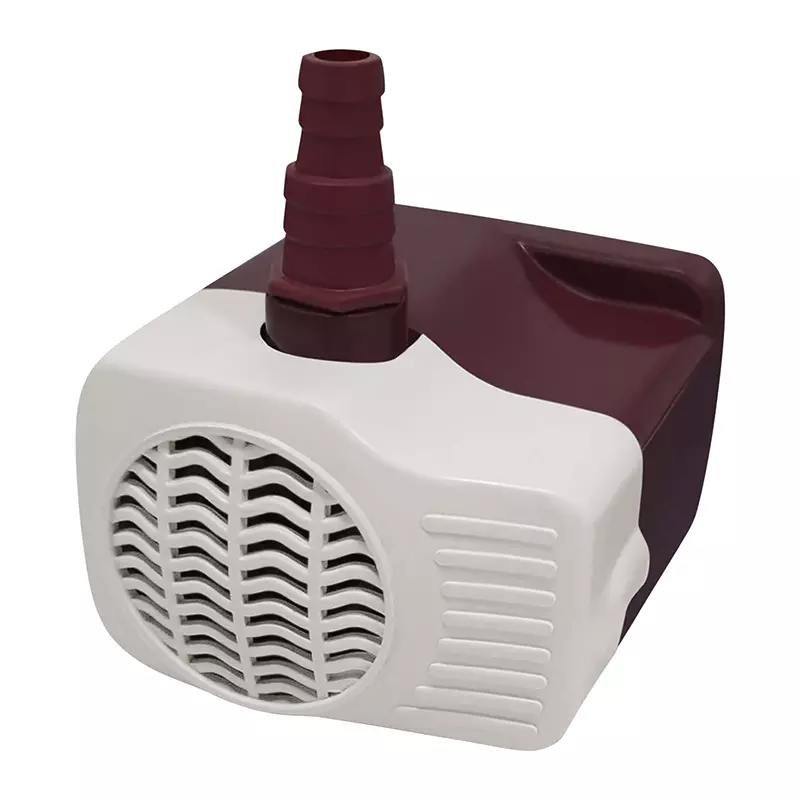
COOLER PUMP 220V-240V
Heavy-duty AC water pump designed specifically for air cooler and evaporative cooling applications. Operating on standard 220V-240V mains power, this reliable pump ensures continuous water circulation for optimal cooling performance. Features robust construction, corrosion-resistant materials, and silent operation ideal for residential and commercial evaporative coolers, desert coolers, and swamp coolers.
KEY FEATURES
AC Mains Compatible – Direct connection to 220V-240V household power supply
High Reliability – Designed for continuous 24/7 operation in cooling applications
Corrosion Resistant – Copper windings and stainless components withstand mineral buildup
Silent Operation – Low noise motor suitable for indoor cooling applications
Self-Priming Capability – Automatically primes when water is available
Thermal Protection – Built-in overload protection prevents motor burnout
Universal Mounting – Compatible with most air cooler brands and models
Easy Installation – Simple plug-and-play replacement for existing cooler pumps
Low Maintenance – Oil-free design requires minimal servicing
Energy Efficient – Optimized power consumption for continuous cooling operation
TECHNICAL SPECIFICATIONS
Electrical Specifications:
Operating Voltage: 220V – 240V AC
Frequency: 50Hz / 60Hz (region specific)
Rated Voltage: 230V AC (optimal performance)
Current Draw: 0.15A – 0.35A (depending on model)
Power Consumption: 18W – 45W (varies by pump capacity)
Motor Type: Asynchronous induction motor or synchronous motor
Power Factor: 0.85 – 0.95
Insulation Class: Class E or Class B
Starting Current: 2x – 3x rated current (brief surge)
Motor Protection: Thermal overload cutout
Wire Length: 1.5 – 2 meters (pre-attached cable)
Wire Type: 2-core or 3-core mains cable
Plug Type: Standard regional plug (EU, UK, US, or Indian plug)
Connection: Direct mains connection or cooler control board
Performance Specifications:
Flow Rate: 800 – 1800 liters per hour (13-30 L/min)
Maximum Head Height: 1 – 2.5 meters
Outlet Diameter: 8mm – 12mm (barbed fitting)
Inlet Diameter: 10mm – 15mm (strainer basket)
Priming Time: 10-30 seconds (when dry)
Noise Level: 35 – 50 dB (at 1 meter distance)
Operating Temperature: 0°C to 50°C (ambient)
Water Temperature: 5°C to 50°C (optimal 15°C – 35°C)
Duty Cycle: Continuous operation (100%)
Service Life: 5,000 – 10,000 hours (depending on water quality)
Physical Specifications:
Pump Body Length: 60mm – 95mm
Pump Body Width: 45mm – 70mm
Pump Body Height: 40mm – 65mm
Total Height: 50mm – 80mm (including motor housing)
Weight: 200g – 450g (varies by model)
Mounting: Bottom suction cups or bracket mounting
Inlet Type: Bottom suction with strainer basket
Outlet Type: Top or side barbed connector
Housing Material: ABS plastic, PP plastic, or aluminum
Impeller Material: Engineering plastic (ABS, PP) or brass
Motor Casing: Heat-resistant ABS or aluminum
Shaft Material: Stainless steel or brass
Seal Type: Rubber O-ring or mechanical seal
Bearing Type: Ceramic or graphite bearing (maintenance-free)
Protection Rating: IPX4 – IPX7 (water splash to temporary immersion)
Environmental Specifications:
Operating Humidity: 20-95% RH
Storage Temperature: -10°C to +60°C
Water Quality: Fresh water, tap water, cooler water with additives
pH Range: 6.5 – 8.5 (neutral water recommended)
Maximum Particle Size: Filtered by strainer basket (typically 2-5mm mesh)
Certifications: CE, RoHS, ISI (varies by manufacturer and region)
PUMP SPECIFICATION TABLE
| Model | Power (W) | Flow Rate (L/hour) | Head (m) | Current (A) | Outlet (mm) | Weight (g) | Cooler Size |
|---|---|---|---|---|---|---|---|
| Small | 18W | 800-1000 | 1.0-1.5 | 0.15-0.18 | 8 | 200 | 20-30L |
| Standard | 25W | 1000-1300 | 1.2-1.8 | 0.18-0.22 | 10 | 280 | 30-50L |
| Medium | 35W | 1300-1600 | 1.5-2.0 | 0.22-0.28 | 10 | 350 | 50-80L |
| Large | 45W | 1600-1800 | 1.8-2.5 | 0.28-0.35 | 12 | 420 | 80-120L |
Note: Performance values are approximate. Select pump based on cooler water tank capacity and cooling pad height.
COOLER COMPATIBILITY CHART
By Water Tank Capacity:
15-25 Liter Coolers:
Recommended Pump: 18W – 25W
Flow Rate: 800 – 1000 L/hour
Suitable For: Personal/room coolers
Examples: Portable air coolers, small desert coolers
30-50 Liter Coolers:
Recommended Pump: 25W – 35W
Flow Rate: 1000 – 1300 L/hour
Suitable For: Medium room coolers
Examples: Standard residential air coolers
60-80 Liter Coolers:
Recommended Pump: 35W – 45W
Flow Rate: 1300 – 1600 L/hour
Suitable For: Large room/hall coolers
Examples: High-capacity desert coolers
100+ Liter Coolers:
Recommended Pump: 45W+
Flow Rate: 1600 – 1800 L/hour
Suitable For: Commercial/industrial coolers
Examples: Shop, warehouse, outdoor event coolers
By Cooling Pad Height:
| Pad Height | Minimum Head | Recommended Pump Power |
|---|---|---|
| 40-60 cm | 1.0 m | 18W – 25W |
| 60-80 cm | 1.5 m | 25W – 35W |
| 80-100 cm | 1.8 m | 35W – 45W |
| 100+ cm | 2.0+ m | 45W+ |
APPLICATIONS
Residential Air Coolers – Home evaporative cooling systems
Desert Coolers – High-capacity room and outdoor coolers
Swamp Coolers – Evaporative cooling for hot, dry climates
Commercial Coolers – Shops, restaurants, warehouses
Industrial Cooling – Factory floor and workshop cooling
Portable Coolers – Personal and room air cooling units
Window Coolers – Window-mounted evaporative units
Tower Coolers – Vertical tower-style air coolers
Tent Cooling – Outdoor event and party tent cooling
Greenhouse Cooling – Agricultural and horticultural applications
WIRING AND INSTALLATION
Electrical Connection:
Direct Mains Connection:
Brown/Red Wire: Live (L) – Connect to mains live
Blue Wire: Neutral (N) – Connect to mains neutral
Green/Yellow Wire: Earth/Ground (only on 3-wire models)
Via Cooler Control Board:
Connect pump wires to designated pump terminals
Control board manages pump on/off with cooler operation
Some models include pump speed control via control board
Safety Requirements:
Use proper gauge wire for mains connection (minimum 0.75mm²)
Install inline fuse or MCB (3A – 5A rating)
Ensure proper earthing for metal-bodied coolers
Use RCD/ELCB protection for added safety
Keep electrical connections away from water
Use waterproof junction box if exposed to splash
Polarity Note:
For AC pumps, polarity generally doesn’t matter (except earth)
Some electronic control boards may require specific wiring
Always follow manufacturer wiring diagram
INSTALLATION GUIDE
Pump Placement:
Place pump at bottom of cooler water tank
Ensure suction cups adhere firmly to tank floor
Position inlet strainer away from tank corners
Orient outlet toward distribution pipes or pads
Keep pump level for optimal performance
Water Distribution Setup:
Connect outlet to water distribution pipes
Ensure pipes deliver water evenly across cooling pads
Use appropriate diameter tubing (8-12mm)
Install drip holes or nozzles at regular intervals
Adjust flow to saturate pads without overflow
First-Time Setup:
Fill water tank to recommended level (check cooler manual)
Prime pump by adding water to pump chamber if needed
Connect power and test pump operation
Verify water reaches all cooling pads evenly
Adjust distribution pipes if needed
Check for leaks at all connections
Replacement Installation:
Disconnect power supply completely
Remove old pump from cooler tank
Clean tank bottom and remove any debris
Install new pump with fresh suction cups
Connect outlet tubing and electrical wires
Test operation before closing cooler panels
MAINTENANCE SCHEDULE
Daily Maintenance (During Use):
Check water level and refill as needed
Ensure pump is running smoothly
Listen for unusual noises indicating problems
Verify water distribution to cooling pads
Weekly Maintenance:
Clean inlet strainer basket of debris
Check water distribution pipes for clogs
Inspect pump for any leaks or damage
Clean water tank if sediment visible
Monthly Maintenance:
Deep clean pump body and impeller
Descale pump with vinegar solution if mineral buildup
Clean or replace water distribution pipes
Inspect electrical connections for corrosion
Check cooling pads and clean if needed
Seasonal Maintenance (Start/End of Season):
Complete disassembly and cleaning of pump
Replace worn seals or O-rings
Descale with commercial descaler if needed
Clean entire water circulation system
Lubricate motor if service manual recommends (rare on sealed motors)
Store pump in dry place during off-season
Annual Maintenance:
Consider pump replacement if 2-3 years old with heavy use
Inspect motor windings for corrosion or damage
Test motor insulation resistance
Replace pump if performance degraded significantly
TROUBLESHOOTING
Pump Not Starting:
Check power supply and mains connection
Verify circuit breaker or fuse not tripped
Test outlet with another appliance to confirm power
Check for loose or disconnected wires
Inspect thermal cutout – may need cooling time
Test pump on separate power source to isolate issue
Check if impeller is jammed – remove debris
Pump Running But No Water Flow:
Check if water tank has sufficient water level
Clean inlet strainer basket – may be clogged
Verify impeller spins freely (disconnect power first)
Check for air lock – prime pump manually
Inspect outlet tubing for kinks or blockages
Verify outlet isn’t positioned above maximum head height
Check if impeller blades are broken or worn
Weak Water Flow:
Clean strainer basket and pump interior
Descale pump with vinegar or citric acid solution
Check for partially blocked distribution pipes
Verify voltage at pump terminals (should be 220-240V)
Inspect impeller for wear or damage
Check for leaks in outlet connections
Reduce head height if pump struggling
Excessive Noise:
Remove debris from impeller chamber
Check if impeller hitting pump housing
Ensure pump is mounted securely (suction cups intact)
Verify pump is fully submerged in water
Check motor bearings for wear (grinding noise)
Look for loose components inside pump housing
Pump Overheating or Thermal Cutout Triggering:
Ensure adequate water level covering pump
Check if pump running dry (no water)
Clean pump to improve cooling
Verify voltage is within specification (220-240V)
Reduce duty cycle if pump not rated for continuous use
Check for blocked impeller increasing motor load
Allow cooling time before restart
Water Leaking from Pump:
Inspect O-ring seals for wear or damage
Check pump housing for cracks
Tighten outlet connection if loose
Replace seal or entire pump if housing cracked
Verify pump not over-pressurized
Intermittent Operation:
Check for loose electrical connections
Inspect thermal protection cycling on/off (overheating)
Test power supply for voltage fluctuations
Look for intermittent short circuit in wiring
Check cooler control board if pump controlled electronically
WATER QUALITY MANAGEMENT
Recommended Water Treatment:
Use clean, filtered tap water
Add cooler water treatment chemicals as per manufacturer
Change water every 3-7 days to prevent algae and odors
Avoid hard water areas without treatment – causes mineral buildup
Use distilled or RO water in hard water regions
Signs of Water Quality Issues:
Green or brown water – algae growth
White deposits – calcium/mineral buildup
Foul odor – bacterial growth
Slimy texture – biofilm formation
Reduced cooling – clogged pads or pump
Descaling Procedure:
Drain cooler water tank completely
Mix white vinegar or citric acid solution (1:1 with water)
Submerge pump in solution for 2-4 hours
Scrub pump exterior with soft brush
Run pump in clean water to flush
Rinse thoroughly before reinstalling
ENERGY EFFICIENCY TIPS
Use timer to operate cooler only when needed
Clean pump regularly to maintain efficiency
Ensure proper water level (not overfilled)
Maintain cooling pads for optimal evaporation
Use in appropriate humidity conditions (works best in dry climates)
Turn off pump when cooler not in active use
Replace worn pumps – degraded efficiency wastes energy
Consider inverter-based cooler for variable speed operation
SAFETY PRECAUTIONS
Always disconnect mains power before maintenance or cleaning
Never operate pump dry – ensure adequate water coverage
Do not exceed 240V AC maximum voltage
Use proper wire gauge to prevent overheating
Keep electrical connections above water level
Install RCD/ELCB protection for electrical safety
Do not touch pump or wiring with wet hands when powered
Ensure proper earthing for metal coolers
Keep children away from pump and electrical connections
Do not use pump for anything other than water
Replace damaged power cables immediately
Never submerge power plug or connections in water
Turn off cooler during thunderstorms
Inspect wiring annually for damage or degradation
PUMP UPGRADE CONSIDERATIONS
When to Upgrade Pump:
Cooler cooling performance decreased significantly
Pump age exceeds 3 years with heavy use
Frequent repairs becoming costly
Upgrading to larger capacity cooler
Current pump underpowered for pad height
Excessive noise from worn pump
Energy efficiency concerns with old pump
Choosing Higher Capacity Pump:
Verify cooler control board can handle higher wattage
Ensure water tank size adequate for higher flow
Check if distribution system can handle increased flow
Consider electrical circuit capacity (fuse/MCB rating)
May improve cooling in hot, dry conditions
PACKAGE CONTENTS
1x AC Water Pump 220V-240V (cooler pump)
1x Pre-attached power cable (1.5-2m) with mains plug
1x Inlet strainer basket (may be pre-installed)
1x Outlet barbed connector (8-12mm)
2-4x Suction cups for mounting
Installation and operation manual (may vary by seller)
Items Not Included (typically sold separately):
Water distribution pipes or tubing
Cooler water tank (pump is replacement part)
Cooling pads
Water treatment chemicals
Hose clamps or pipe connectors
Descaling solution
Junction box or electrical connectors
WHY CHOOSE 220V-240V COOLER PUMP?
The AC-powered cooler pump provides reliable, continuous operation for evaporative cooling applications without the complexity of DC power systems. Direct mains connection eliminates the need for power adapters or voltage regulators, while thermal protection ensures safe operation even in demanding conditions. Its robust construction withstands the mineral-rich water typical in cooler applications, making it the ideal replacement or upgrade pump for residential and commercial air cooler systems.
COMPARISON WITH OTHER PUMPS
vs Submersible Fountain Pumps:
✓ Designed specifically for cooler applications
✓ Optimized flow rate for cooling pad saturation
✓ Better corrosion resistance for cooler chemicals
✗ Not suitable for decorative fountain use
vs DC 12V Pumps:
✓ Higher flow rate and head height
✓ No power adapter required
✓ More suitable for continuous operation
✗ Requires mains power (not portable)
✗ Higher power consumption
vs Industrial Centrifugal Pumps:
✗ Lower maximum head and flow capacity
✓ Much more affordable
✓ Compact size fits cooler tanks
✓ Low noise operation
✓ Adequate for residential/commercial coolers
IDEAL USE CASES
Replacement pump for residential air coolers (20-80L capacity)
Upgrade pump for improved cooling performance
Commercial cooler applications (shops, restaurants)
Industrial workshop and warehouse cooling
Outdoor event and party tent cooling
Desert cooler water circulation
Greenhouse and agricultural evaporative cooling
Construction site temporary cooling
Mobile food cart and vendor cooling